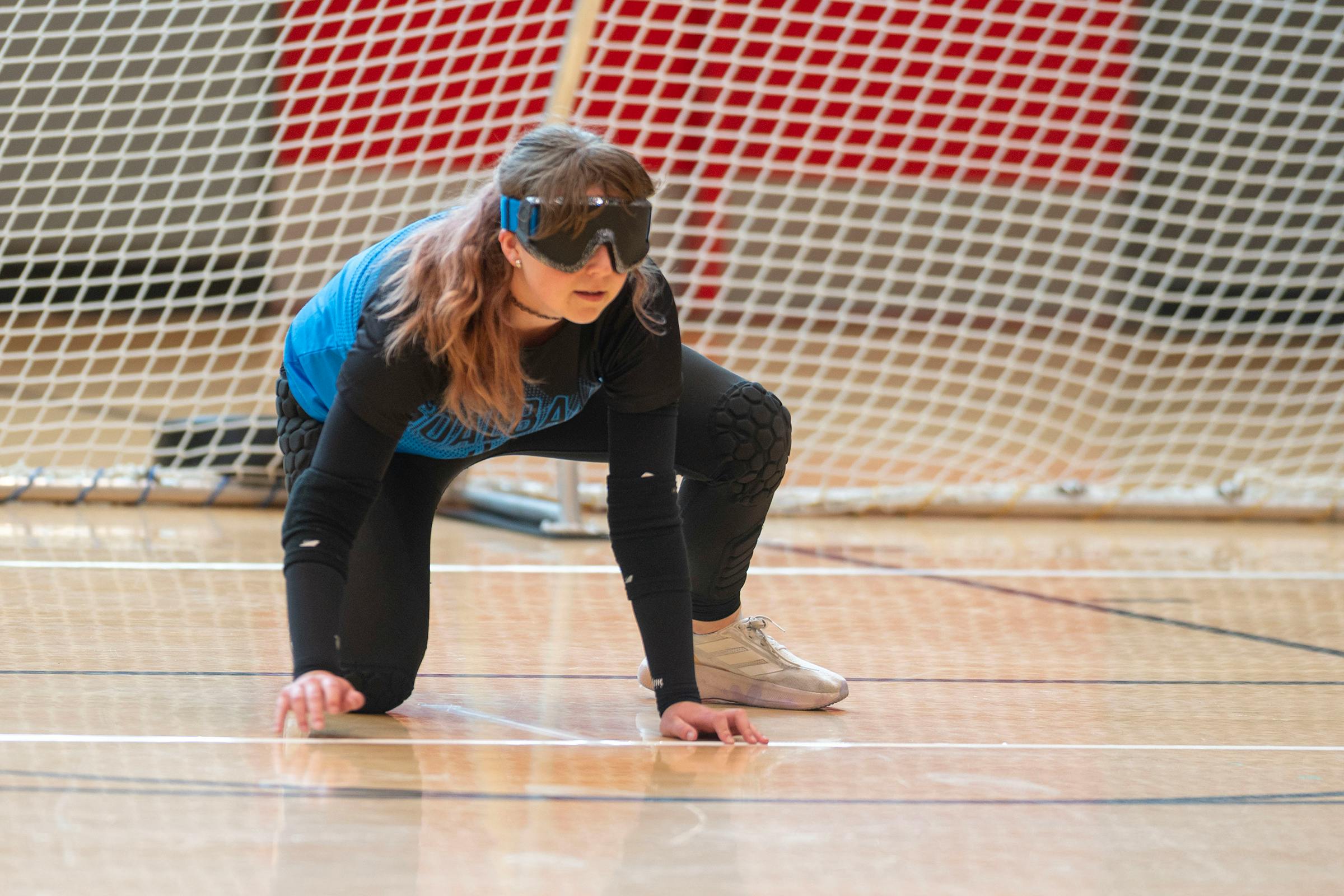
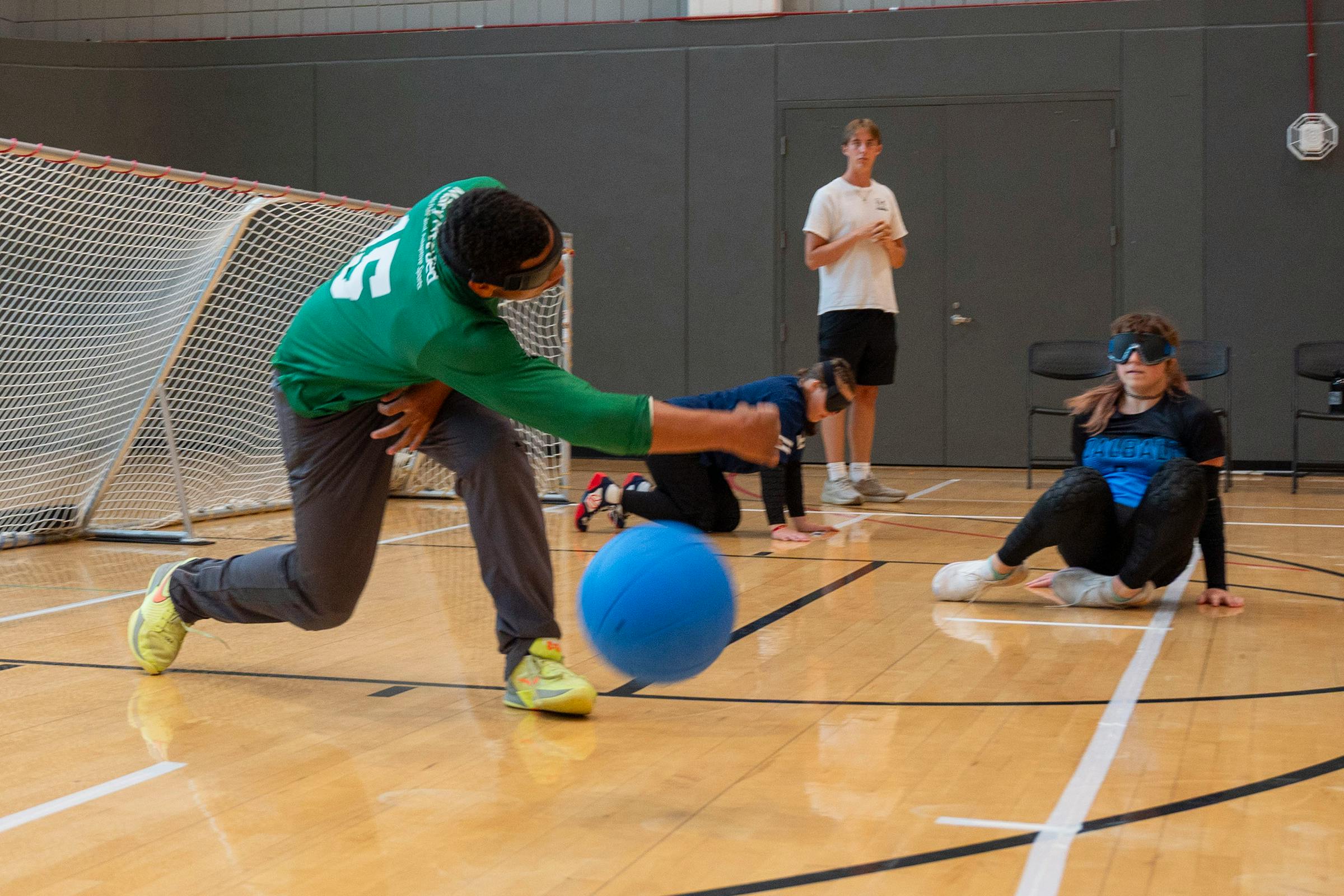
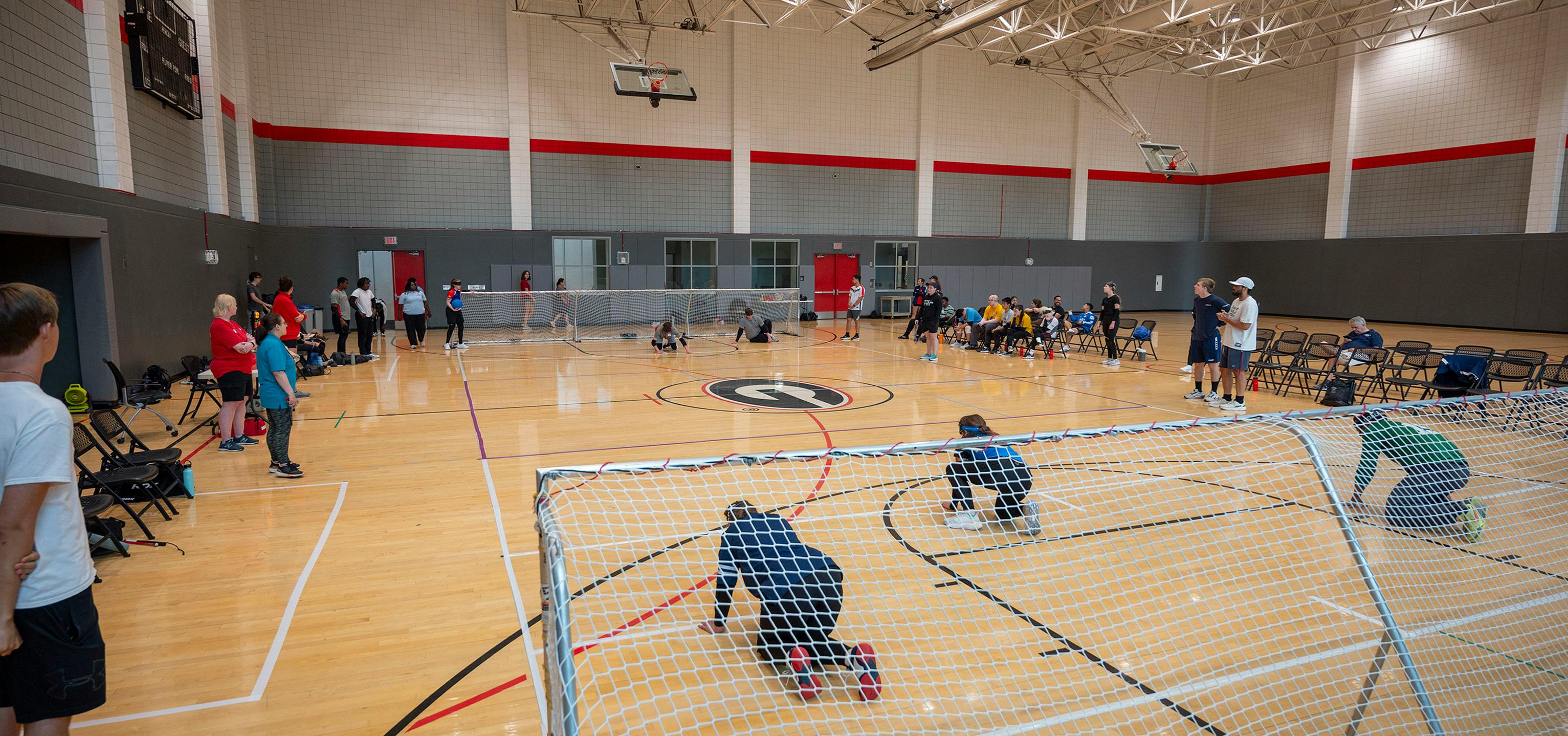
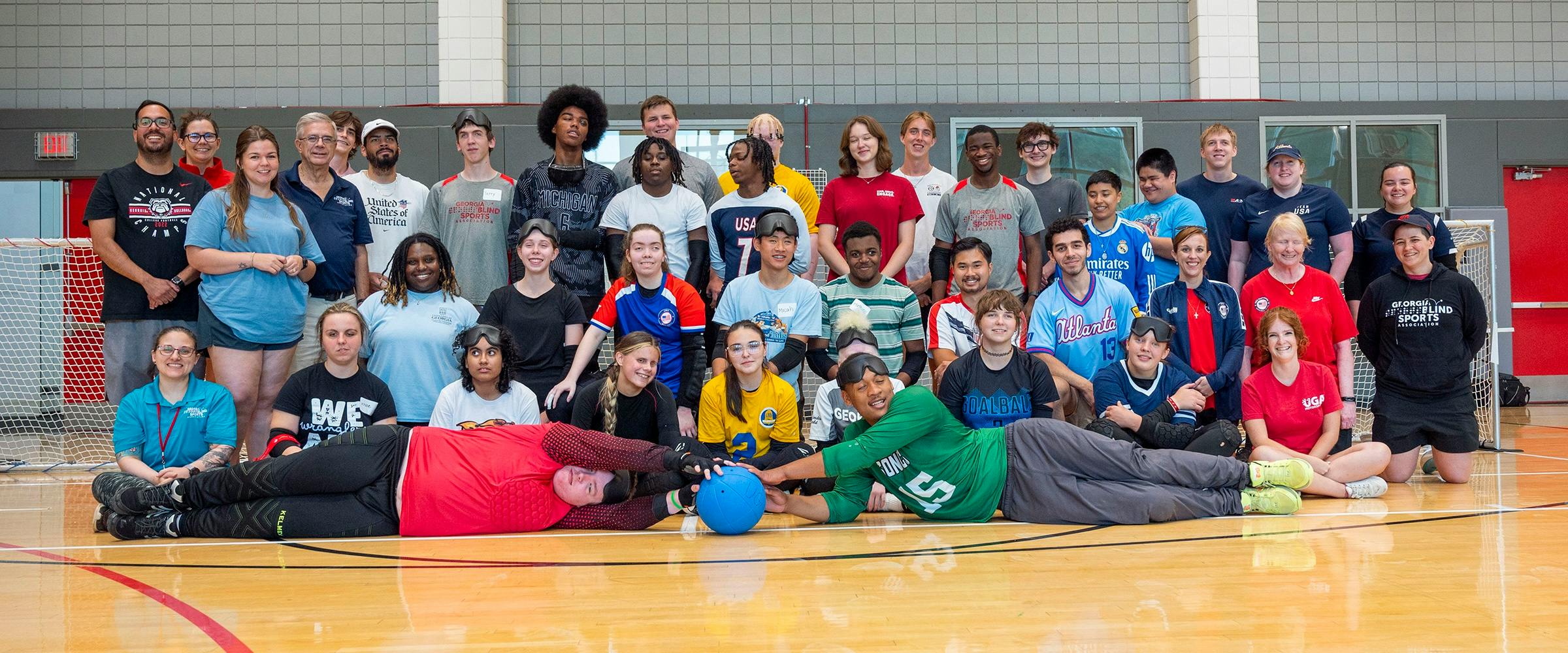
This summer, a weekend-long camp hosted at the University of Georgia welcomed 21 middle- and high-school students from across the country to strengthen their skills in goalball—“the coolest sport you’ve never heard of,” said T. Nicole Kirk.
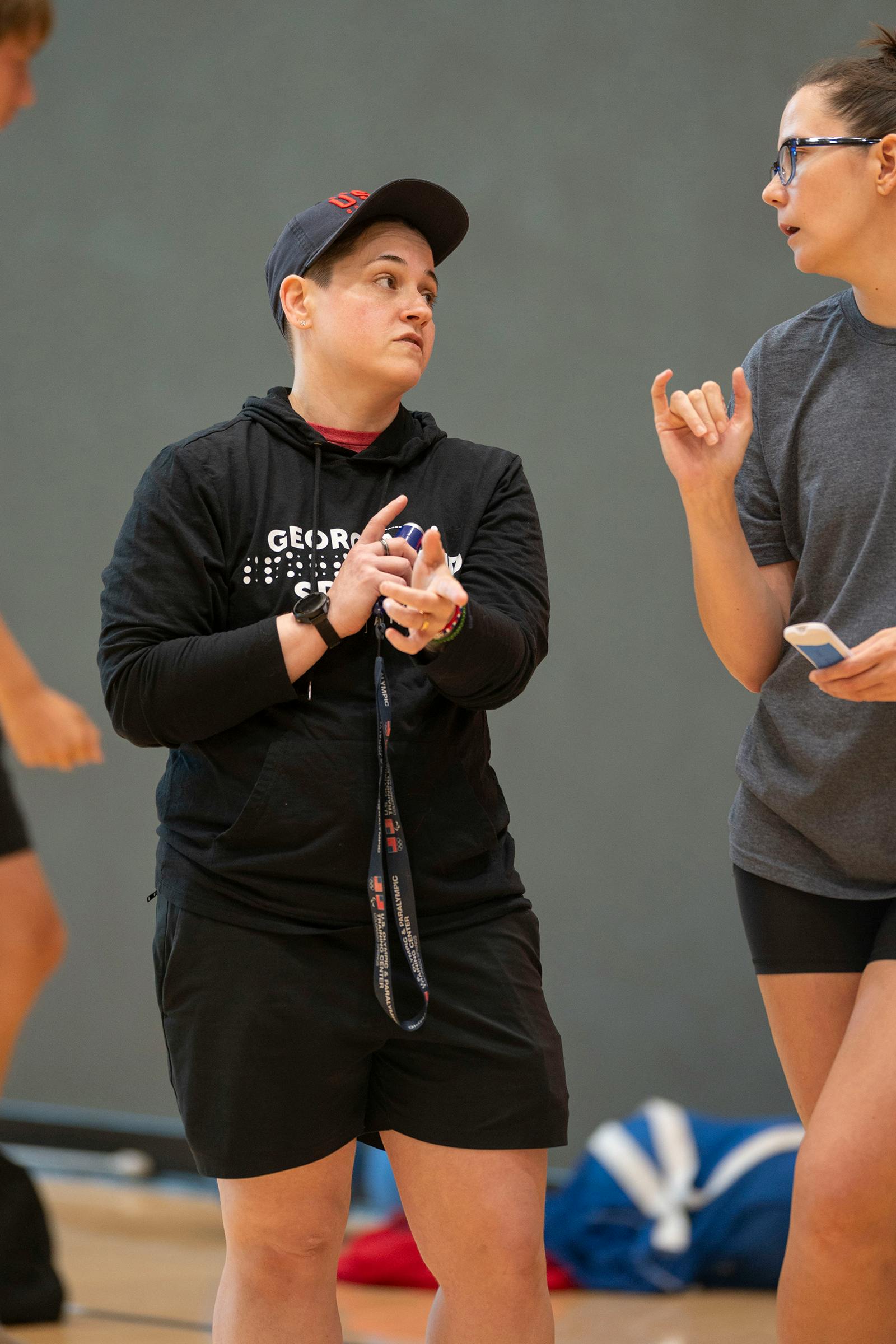
Coach of the United States Women’s National Goalball Team and an associate professor of health and physical education in the Mary Frances Early College of Education, Kirk began volunteering with Georgia Blind Sports in 2022 and coordinated the inaugural visually impaired sport field day at Ramsey Student Center later that year.
She launched the GoalDawgs camp last summer with 13 campers to provide high-level training to kids interested in pursuing the national team or club competition.
“The idea behind it was goalball is a really small sport,” Kirk said. “It’s only played by blind and visually impaired athletes—there’s no Olympic counterpart or mainstream counterpart.”
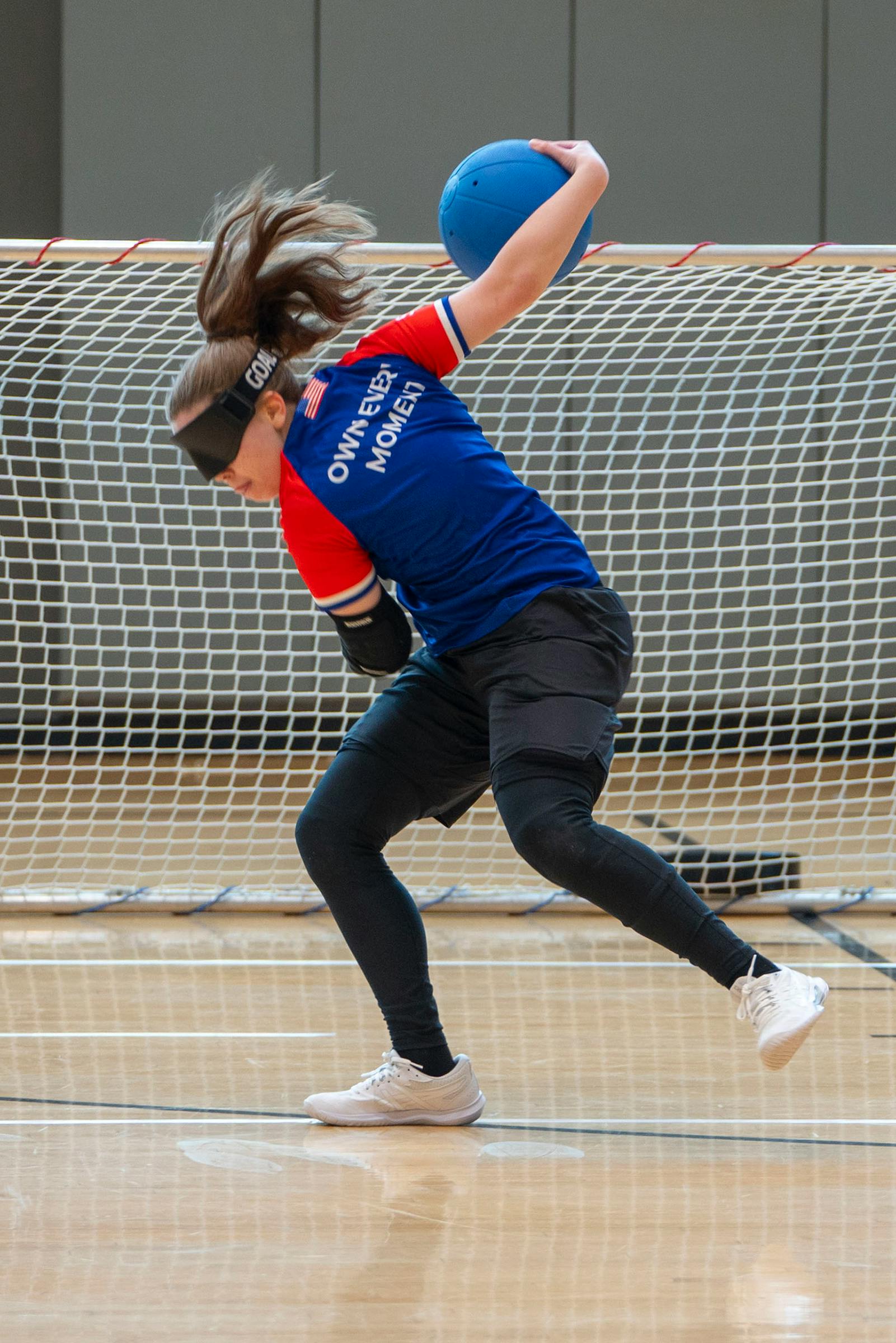
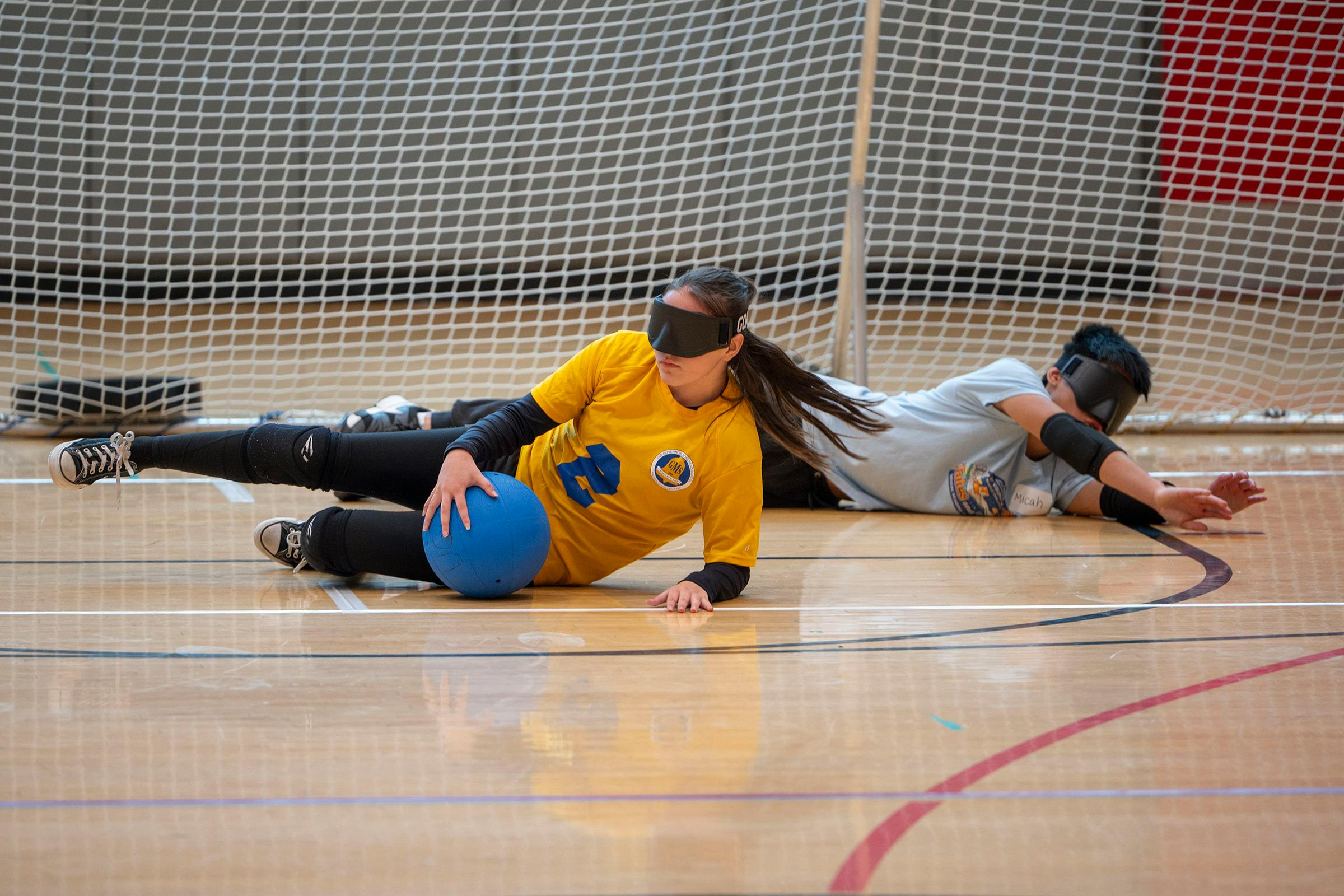 Similar to sighted sports like soccer, hockey, or basketball, the aim of goalball is to score as many goals as possible against the opposing team. Unlike its counterparts, goalball players wear eyeshades while throwing the ball, and auditory and tactile clues, like raised lines on the court and bells within the ball, help guide players. Players also use different throwing techniques to score goals and must block opposing goals from entering their own net.
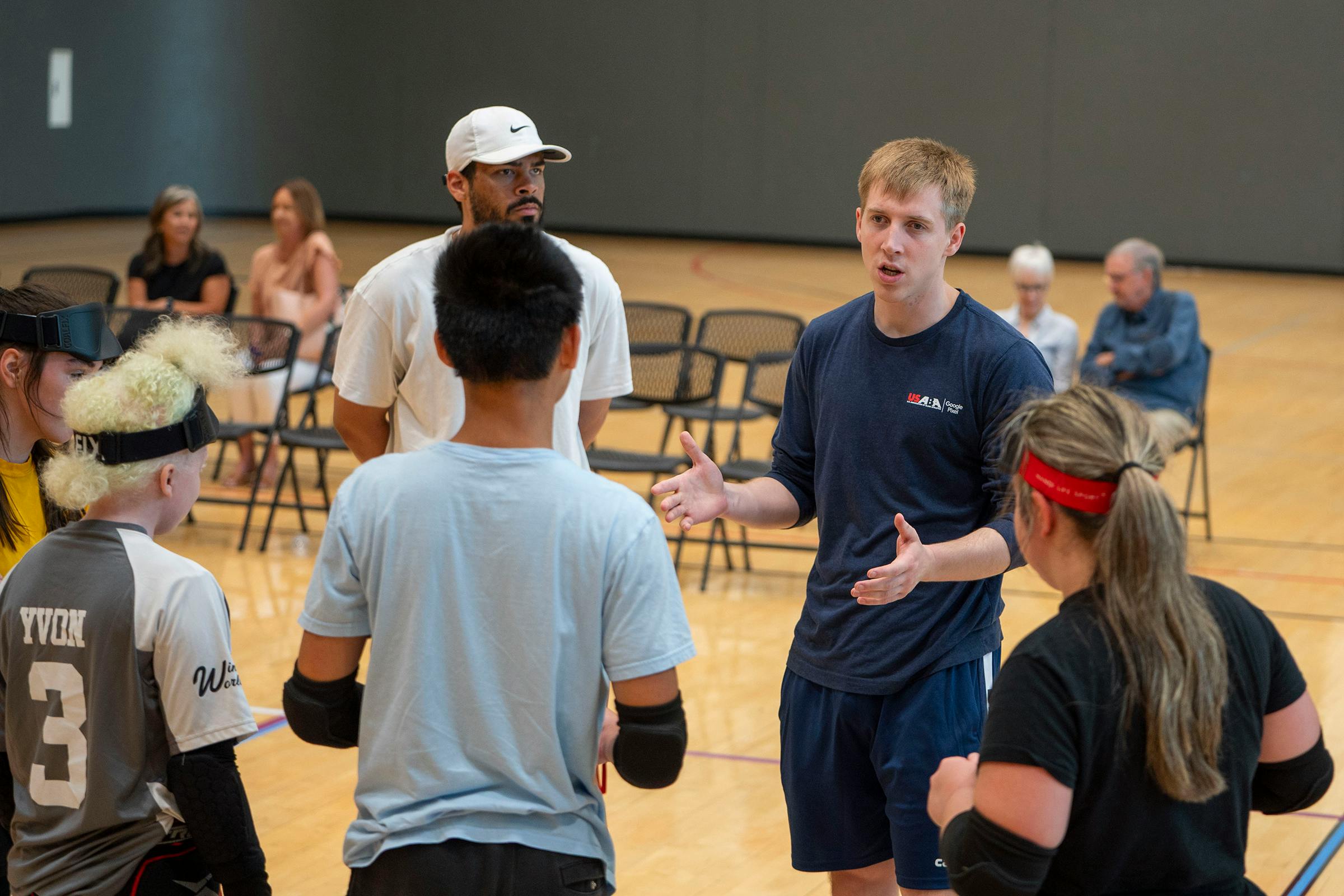
In partnership with Georgia Blind Sports, Kirk led the camp with four goalball national team athletes: Christian King, Miriam Larson, Ali Lawson, and Zion Walker. King and Walker are Paralympians, along with goalball coach Karen Zabel who also assisted with the camp.
While GoalDawgs aims to help student-athletes prepare for future high-level goalball competitions or groups, like the Youth National Team, it also connects kids from across the country interested in sharpening their goalball skills.
“Not everyone who came into our camp is going to become a Paralympian, but we’re happy to be able to support people who want to improve, regardless of their goals, and to be a space that is welcoming for blind and visually impaired athletes; not only welcoming, but that is completely designed for them, and that exists to serve them,” Kirk said.
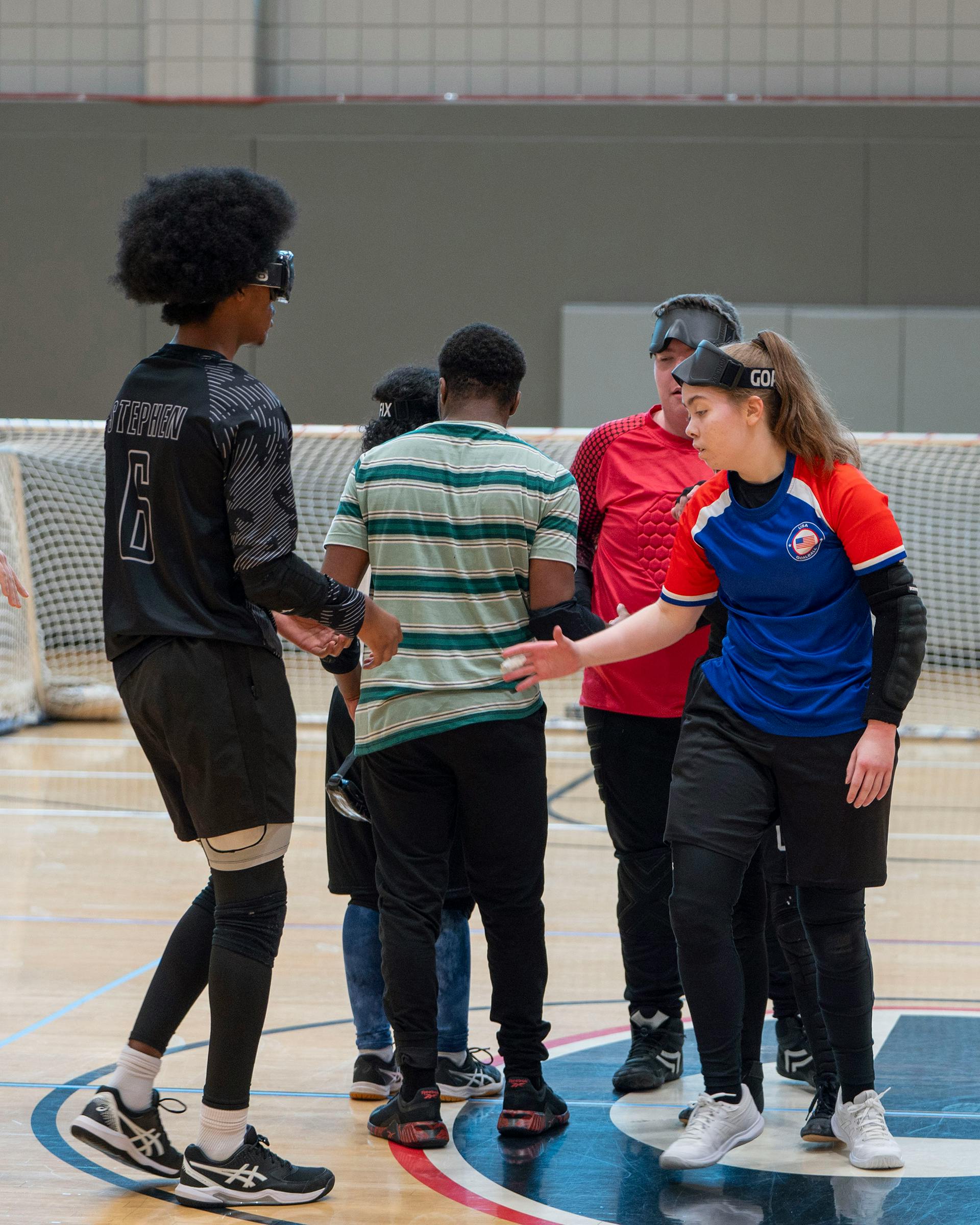 Through the camp, participants also got a taste of campus life and the transition to college. They stayed in dorms on North Campus, ate at Bolton Dining Commons, and participated in goalball, other games, and strength and conditioning at Ramsey.
UGA students interested in occupational therapy, physical therapy, special education, or other allied health careers are likely to encounter someone blind at some point, Kirk said.
“Because blindness and visual impairment is such a low incidence impairment, we knew that for the most part, blindness wasn’t well understood,” Kirk said. “We wanted a chance for UGA students to work with blind and visually impaired young people so that they would get an idea of the capabilities of blind folks, both in the sporting realm and then outside of that.”
The UGA students enrolled in Kirk’s service-learning course, KINS 6750S: Service Learning in Kinesiology, supported the coaches and familiarized themselves with the sport, often for the first time, to work with the student-athletes.
Olivia Sharpe (B.S.Ed. ’25, M.S. ’27), was familiar with goalball through a class taught by Kirk that she took as an undergraduate and enjoyed working with the goalball student-athletes at the camp.
“Being around any type of athlete is fun because I wasn’t expecting them to have such, I guess, a high level of ability when it came to goalball, but they shut me up. They were really good,” said Sharpe, a second-year master’s student in the Department of Kinesiology’s adapted physical education program. “Overall, the experience was great. I plan to try to do it again next summer.”
Why I give: Sherril York
The Sherril York Inclusive Physical Activity Support Endowment supports the development and enhancement of programs that promote physical activity for individuals with disabilities in the Mary Frances Early College of Education’s Department of Kinesiology.
Dedicated to promoting inclusive opportunities, the fund also aims to improve access, participation, and the overall experience for youth and adults in motor development and physical activity including adapted individual, team sports, and more.
“I hope the fund expands opportunities for undergraduate and graduate students to work with people with disabilities,” says York. “It will provide professional development funding for program development and expansion, community engagement activities, and research activities.”