Stories from Bay Creek Elementary School
Clinical associate professor Dave Chiesa has no shortage of stories about the service-learning course he developed to support linguistically diverse youth.There’s the student who returned semester after semester to support the same child’s literacy development, and another who carried what she learned into her Fulbright teaching experiences in Taiwan and Turkey. Yet another student developed an AI-assisted framework to help students learn and practice pragmatics through chat-based interactions, later presenting her work to over 1,000 teachers in Uzbekistan.
While his students’ career paths have branched in different directions, their stories at the University of Georgia all share a common thread: Bay Creek Elementary School in Walton County.
“I have UGA tutors who are from all over the University, and some of them have never taught in their life,” said Chiesa, who teaches in the Mary Frances Early College of Education’s Department of Language and Literacy Education. “It’s great because through this course, we get to serve people from all over the world. We’re also supporting those who have special needs, including children with autism and dyslexia.”
A partnership built around community needs
Chiesa created the course, LLED 4620S/6620S: English to Speakers of Other Languages (ESOL) Service Learning, in fall 2019 during his first semester teaching at UGA.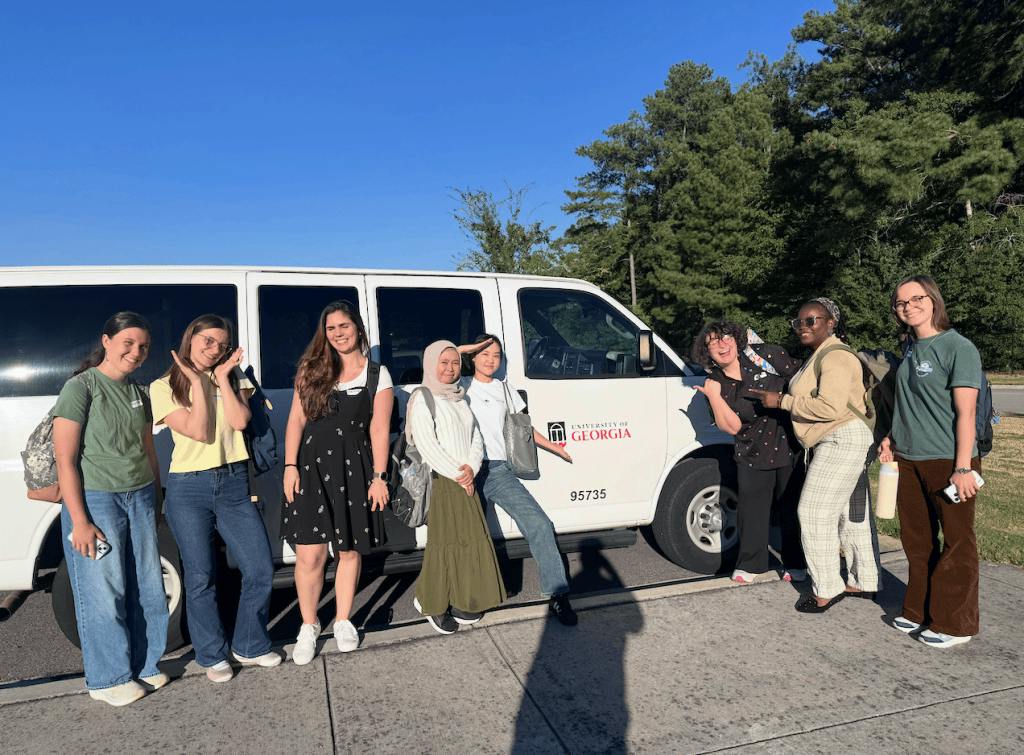
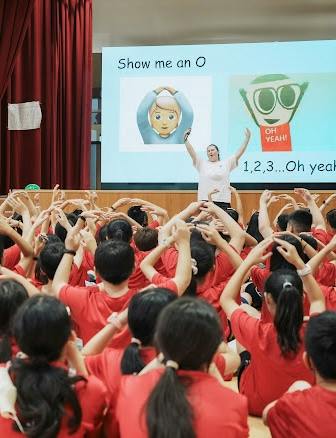
Seven years later, the partnership continues to provide students with hands-on experience teaching linguistically diverse children in grades 3-5. One way they put their skills into practice is through end-of-semester projects, which have ranged from helping children design board games to hosting a Living Wax Museum for children to interact with UGA students dressed up as historical figures.
This year, Chiesa’s students are developing a three-act play about the history of the Great Plains to give children more opportunities to practice speaking.
“I talked to the ESOL teachers at the school, and this semester, they said they want to work on social studies because that’s not offered very much,” said Chiesa. “They said it’d be good because their students need more speaking practice, not just reading and writing. They want to support their spoken academic language. It’s all about what they need.”
The service-learning course meets every Tuesday.
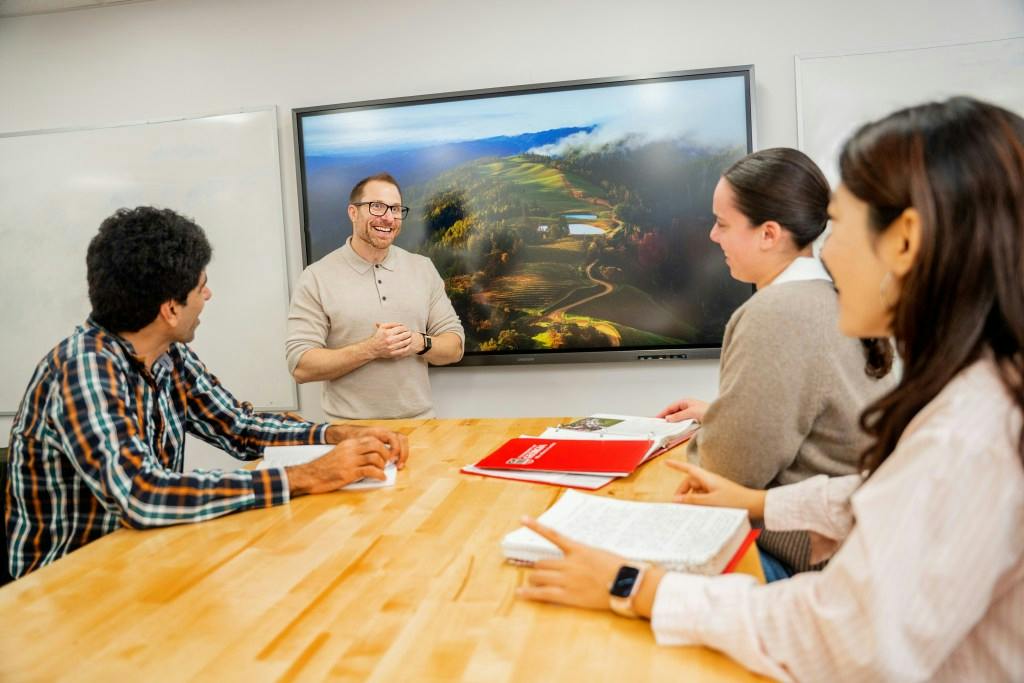
Chiesa uses a UGA van and picks his students up at Aderhold Hall around 2 p.m., driving them to Bay Creek, where he teaches the class on site from 3 to 4 p.m. His lessons focus on how to understand and assess multilingual learners so students can determine individual listening, speaking, reading, and writing needs.
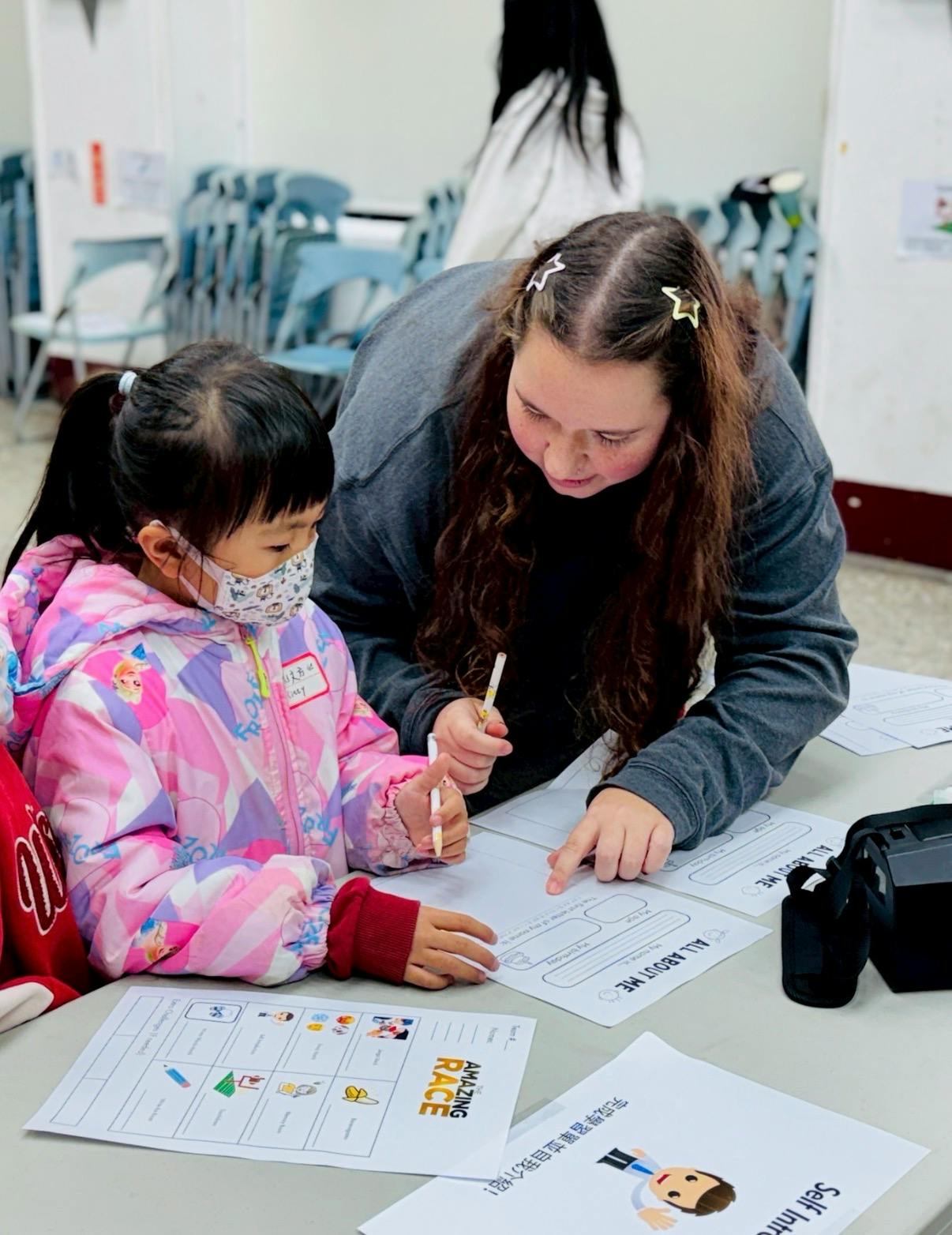
From 4 to 4:35 p.m., his students help their learners with math and reading homework, mostly one-on-one, before teaching their own lesson plans until 5:20 p.m. After the children leave, Chiesa holds a debriefing session with his students to reflect on their experiences as a group before returning to campus around 7 p.m.
Learning to meet students where they are
For alumna MaryQuinn Mills (A.B. ’25), an international relations major who minored in Teaching English to Speakers of Other Languages (TESOL), learning to individualize instruction was one of the most important lessons she took away from her time at UGA.Although she discovered the TESOL minor as a junior, she was determined to pursue it after meeting Chiesa and seeing his passion for the program.
“The ESOL course was the first time I learned how to lesson plan, scaffold instruction to a student’s individual needs, and teach in a real classroom setting,” she said. “I remember that my student’s strengths flourished through creative means, so I tried to lean into what he enjoyed rather than forcing him into a single way of demonstrating what he knew.”
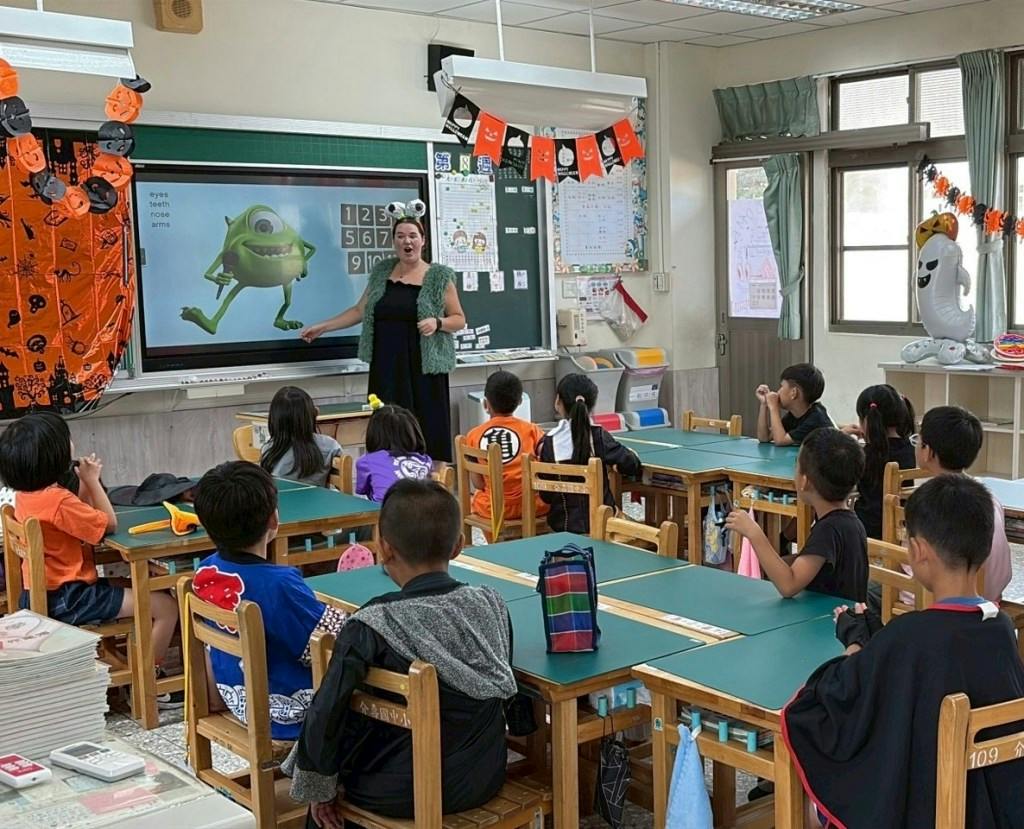
In addition to learning the value of interactive teaching, she also recognized the importance of having fun with students and making sure they feel comfortable in the classroom environment.
In 2024, Mills received the prestigious Boren Scholarship to study at National Taiwan Normal University in Taipei, Taiwan, and was named a Fulbright English Teaching Fellow in 2025, securing the opportunity to teach students in grades 1-8 on the Matsu Islands.
“Reflecting back, the ESOL course was easily my favorite class at UGA,” she said. “It gave me so much joy because I knew the work we were doing had real value to the community.”
“When I arrived in Matsu, there was no textbook or curriculum telling me exactly what my students needed; I had to listen to teachers, learn about the community, observe my students, and figure out how English could be meaningful in their lives,” she added. “That experience reinforced what I first began learning in Dr. Chiesa’s class: good teaching starts with listening and meeting students where they are.”
Currently, Mills is teaching at a state university on a Fulbright English Teaching Assistant grant in Kütahya, Turkey.
For Chiesa, stories like Mills’ reflect the course’s broader impact as students leave Bay Creek knowing which age group they want to teach and where they’d like to pursue those opportunities, whether close to home or abroad.
“The great thing about service-learning is that everybody wins at the end of the day,” said Chiesa.